
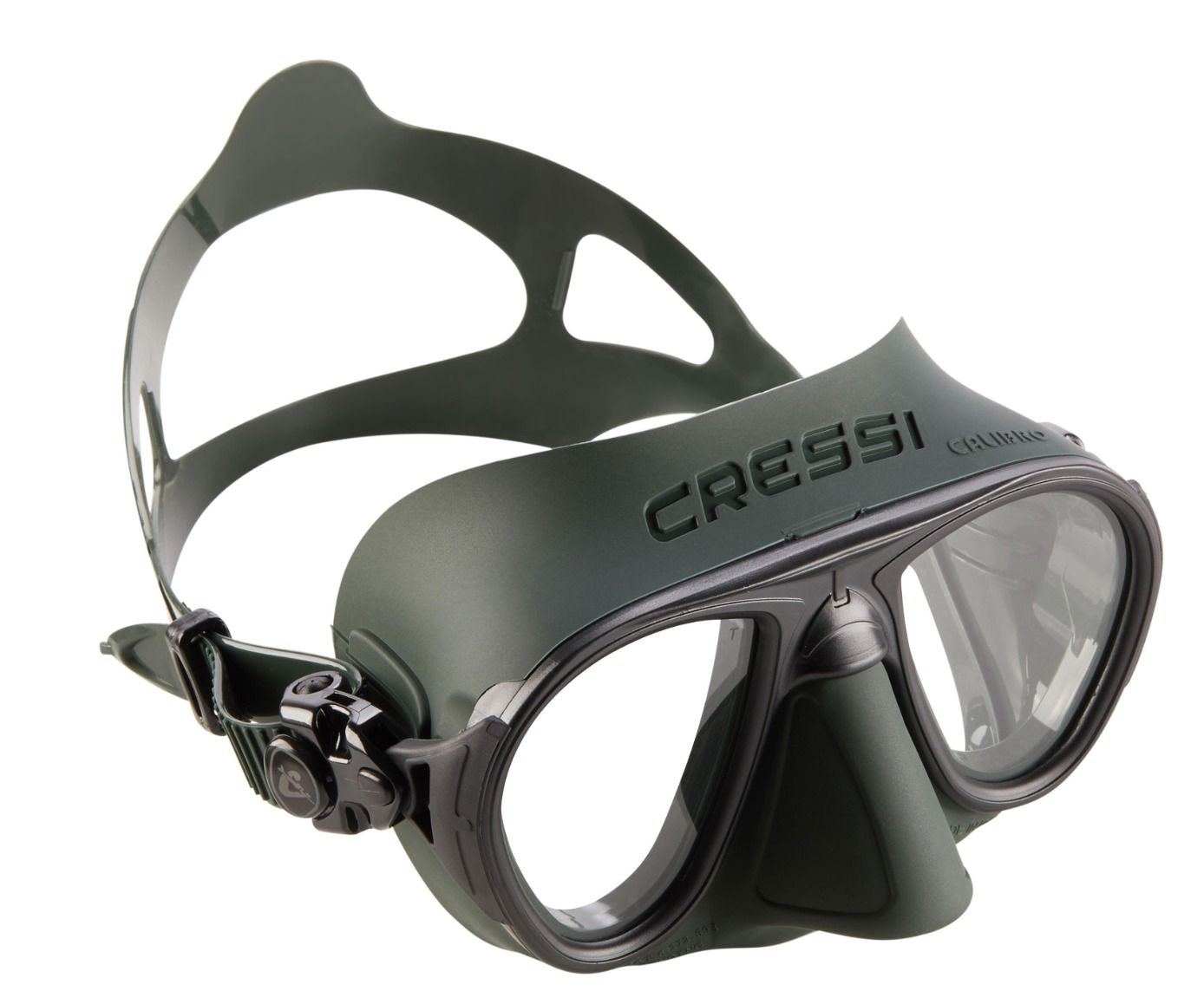
If you are thinking about taking a liveaboard trip or simply want to dive during your vacation, you may be considering bringing your own equipment, either partially or completely. When packing a suitcase, we always have doubts about what to take or even how, and even more so when we talk about diving equipment, which is generally quite expensive. That’s why I leave you here a list of 10 tips for traveling with diving equipment in the most comfortable and appropriate way according to your type of trip.
What can you find in this entry
Table of Contents
1 – Check the diving equipment so that it is in good condition
If you plan to travel with diving equipment, it is very important that before making your trip, you make sure that your diving equipment is in good condition, since you do not want to realize that something is broken when you are already at your destination. . If you have not used your equipment for a while, it is important that you check the proper functioning of the regulator, the filling and emptying of your BCD or the status of the dive computer battery.
2 – Water temperature at destination
Even if you have a neoprene suit in your diving equipment, it is very important to check the water temperature of the destination you are going to travel to, to verify if your suit is suitable for the place where you are going to dive. It is very common that you may have a 5mm or 7mm suit because you live in the Canary Islands, but you are going to travel to the Maldives where the water can be 31 degrees and I assure you, from my own experience, that even the 5mm suit will be too much. .
It has already happened to us twice and for opposite reasons. We have 5mm suits and we take them to both the Maldives and the Galapagos. In the Maldives we ended up diving directly in our swimsuit and in the Galapagos did I ever come out with purple lips?
So believe me, it is important to consider whether your suit is suitable for the place where you are going to dive or it is preferable that you rent something at the destination that adapts to the water temperature. You also have to keep in mind that not all people regulate temperature in the same way. So if you are a hot or cold person, you should also take this into account when traveling with diving equipment.

3 – Check your destination and what equipment you need to take
As you already know, not all destinations or diving areas have the same conditions and therefore, the equipment you need to bring will be different depending on where you go. Thus, in current areas it will be important to carry a surface buoy to facilitate location at the end of the dive or a current hook, in case it is necessary to anchor in any area of the dive. On the other hand, this type of device may not be necessary for diving in areas like Lanzarote, where the water conditions are totally different.
4 – Diving insurance
Although at first glance it does not seem like a part of your diving equipment, the reality is that to dive it is mandatory to have diving insurance, which covers any type of problem or unforeseen event that may happen. That is why it is very important that you always take it into account when planning your trip and count it as one of the essential things to take with you.
If you have annual insurance, it is important that you carefully check the insurance coverage dates in case you have to renew it. Keep in mind that it has to cover all the days you are going to dive. If you don’t have it, remember to buy it in advance or at the diving center when you arrive.
If you are going to do a liveaboard, for example , we do also recommend that you verify your insurance coverage. Because maybe to dive in the Canary Islands all year round it is not necessary for the coverage to be too high, but if you are going to dive in a remote place like for example Cocos (Costa Rica) , which is 36 hours by boat from the thing Logically, you’ll want to have much larger coverage so that if something happens, you won’t be ruined.
That’s why sometimes even if you have annual insurance, for this type of trip it is recommended that you take out extra insurance specific to the dates of your liveaboard. We always book life on board with DiveBooker , because among many other advantages, they include DAN insurance with your reservation, which means that having good insurance with good coverage does not represent an extra expense on your trip.
5 – Travel insurance
Sometimes we think that carrying diving insurance is enough, but keep in mind that these insurances and their coverage are designed for a diving accident, not for the trip itself and what can happen. Also, when traveling with diving equipment, I strongly recommend that you take out good travel insurance that covers the delay, loss or theft of luggage, since with the price of the material, you do not want to be in any way scared. time to transport it.
Travel insurance
As you already know, we always recommend traveling with travel insurance , because even if we don’t want it, the reality is that sometimes things happen, and it is better to be covered to save ourselves a lot of trouble and money. We have been traveling with the same insurance company, Iati, for more than 10 years, and whenever we have had any incident they have treated us great. So here I leave you a 5% discount on travel insurance , so that it is more economical for you to travel safely and with peace of mind.

6 – Check your airline’s baggage restrictions
When traveling with diving equipment, it is important that you check the weight restrictions for both hand luggage and checked luggage of the airline you are going to travel with even before purchasing the flight . The maximum weights allowed usually vary from one company to another and the same goes for hand luggage. That is why it is very important to know how much the diving equipment we want to carry weighs before comparing the flight, since it may exceed the maximum allowed by the airline. Especially when we talk about cheap flights.
7 – Transport of diving equipment
It is very important that the diving equipment is well protected during transport, since we do not want it to be damaged along the way. For this, it is also important to distinguish between the different types of transportation, since for example if you are going to travel by land or water, you can pack all your diving equipment together, well protected, in the same bag or suitcase. But on the other hand, if you are going to travel by plane, there is diving equipment that must travel with you in the cabin.
How to pack it
There are many models of diving bags designed especially to transport your equipment safely. They are generally waterproof bags, shaped like a sports bag, which are useful so that the trunk of the car does not get wet, for example. But it is true that except for some models, most do not have wheels. Which makes them not very comfortable for traveling long distances with diving equipment, since it is usually quite heavy.
Personally, I recommend traveling with a 4-wheel suitcase , like the ones you normally use, since on the one hand the diving equipment is very heavy (for Juan’s and mine together it is 25kg with the suitcase) and I assure you that it is very It is useful that the suitcase has 4 wheels, so as not to burden your arms when moving.
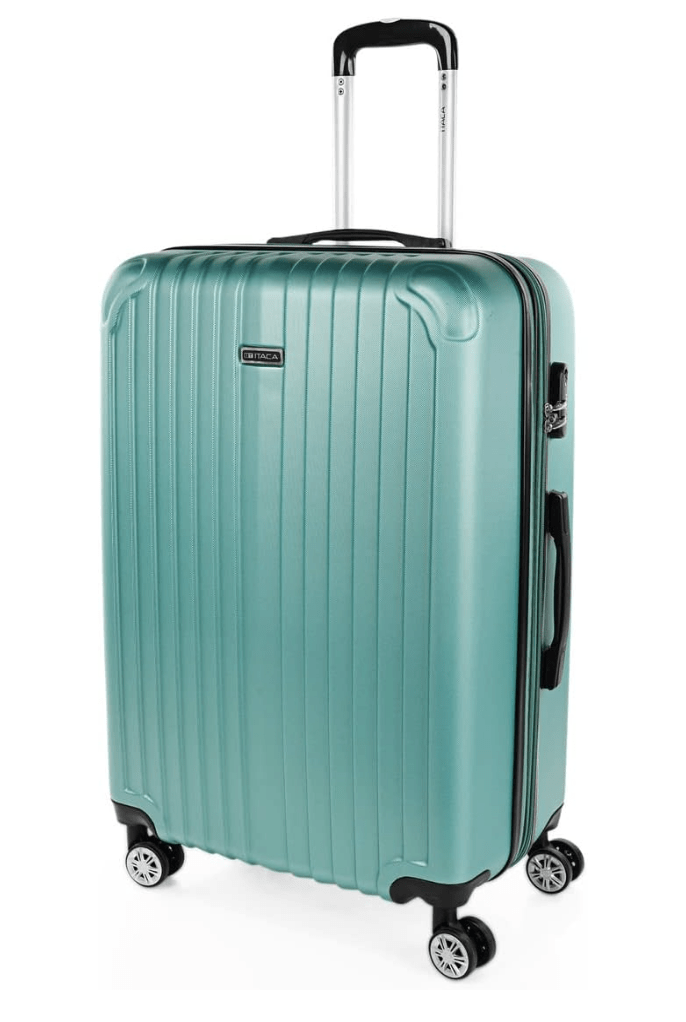
On the other hand, it is advisable when you check luggage or are going to lose sight of it, not to give clues about what is inside the luggage , to help other people’s friends select your suitcase. That is why I recommend not carrying a specific diving bag, nor decorating it with stickers or anything that indicates that you carry your diving equipment inside.
Material that you should not check in
If you travel by plane, in principle it is recommended that delicate things such as the dive computer or photographic equipment be carried in your hand luggage, to prevent them from being damaged during transport. For example, we have graduated diving masks, so they always go in hand luggage, to avoid not only damage, but also the luggage being delayed and not arriving in time for the dives. That is why travel insurance is also important , so that if your luggage is lost, it can at least be recovered as quickly and comfortably as possible.
8 – Drying the diving equipment
Once you have finished your dives, it is important that you allow time for your diving equipment to dry properly before transporting it. Depending on the diving equipment you brought, you will have to allow more or less time before taking transportation. Drying a vest is not the same as drying a 7mm neoprene suit. That is why it is also important that you know your equipment well and the drying time it needs.
On liveaboard trips , this is generally taken into account and the last dive is normally scheduled to allow time for the equipment to dry. The material is usually spread out in some area of the roof so that it can get air and sun and dry as quickly as possible. However, check the program and buy the return flight with enough time.
9 – Bring essential spare parts
It is important that you carry spare parts for things that may break or get damaged during your trip, to avoid last minute scares. Within these spare parts, for example, we find it useful to carry:
- Spare battery for dive computer
- Mouthpiece for the regulator, in case you bring your own
- Plastic clamps . You can’t get an idea of the amount of trouble that some zip ties can get you out of. From adjusting the mouthpiece, hooking the camera so it doesn’t get lost or even small fixes to your BCD.
- Carabiners. Many times we carry accessories such as a camera or a diving light, but we forget to take how to attach them to the equipment. It will always be very useful to carry some carabiners so that you can have everything well anchored and that nothing is lost.
10 – Don’t forget your Logbook
Sometimes when we pack our luggage we worry about what diving equipment we have to pack and we forget about the logbook to record the dives we have done. Come on, this is not the first time this has happened to me, nor to other diving buddies. That is why it is always important to take this into account and make sure that you have enough sheets to record the dives, since there is not always the possibility of purchasing it at the destination.
And you, what do you carry in your diving luggage?
What advice would you give when traveling with diving equipment? Is there anything that you think is essential when going on a diving trip? Share your impressions with me so I can expand this list of tips so that we don’t forget anything on our next adventure.
FAQs
Can I take my regulator on checked-in baggage?
Yes. If you carry it well protected in your checked luggage, nothing should happen to it. But it is true that if you have space in your hand luggage, it may be advisable to take it with you, to avoid possible bumps that could damage it (we all know how suitcases are treated at airports), luggage delay or even loss.
Is it safe to carry scuba diving stickets on my luggage?
Although nothing should happen, the reality is that the fewer clues we give about what’s inside our suitcases, the better. If they are road trips or in which you are not going to lose sight of the luggage much, there is no problem. But if you are going to check your luggage, I would advise you to keep your luggage as discreet as possible.
